A Complete Guide for How to Pick Audio Cables for Great Sound Quality
Many audio enthusiasts spend large budgets on amplifiers, speakers and music players, yet overlook one critical component — the audio cable. Even with high-end audio hardware, you may end up with muddy sound, lost details or unwanted background noise. Very often, the root cause lies in the conductor material inside your cable.
The conductor carries audio signals. Different metal materials directly impact sound clarity, detail reproduction and cable service life. Whether for home Hi-Fi systems, conference rooms or KTV setups, choosing the right conductor helps restore authentic sound performance.
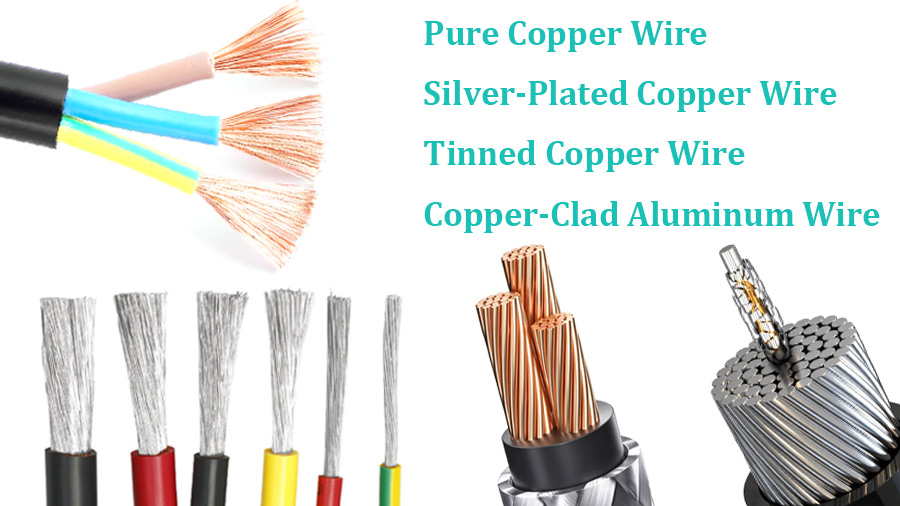
Comparison of Common Audio Cable Conductor Materials
1. Pure Copper Wire (OFC Oxygen-Free Copper)
Pure copper is the mainstream material for audio cables and offers the best overall value for money.
✅ Pros: Excellent electrical conductivity, decent oxidation resistance, delivers clear, balanced sound with rich vocal and instrumental details. Works well for both home and light-duty commercial applications.
❌ Cons: Prone to wear and gradual aging under repeated bending and friction.
Best for: Most home audio systems, conference rooms and KTV installations. The preferred general purpose material for consumer and engineering projects.
2. Silver-Plated Copper Wire
Silver-plated copper features a thin silver plating over a copper core, widely adopted in premium high-fidelity audio cables.
✅ Pros: Silver conducts electricity better than copper. It enhances high frequency resolution for brighter, more transparent sound, plus strong anti-aging performance.
❌ Cons: Higher production cost leads to expensive retail pricing.
Best for: Hi-Fi audiophiles and high-end audio systems for users chasing premium sound with sufficient budget.
3. Tinned Copper Wire
Tinned copper adds a tin coating on copper conductors, mainly for anti-oxidation and moisture proof purposes.
✅ Pros: Great oxidation resistance, suitable for humid installation environments.
❌ Cons: The tin layer impacts signal transmission, resulting in noticeable echo effects and inferior sound performance compared to pure copper.
Best for: Moisture prone wiring environments. Not recommended for audio systems with high sound quality requirements.
4. Copper-Clad Aluminum Wire (CCA)
Copper-clad aluminum uses an aluminum core with a thin outer copper layer, designed for low-cost markets.
✅ Pros: Very low price point.
❌ Cons: Copper and aluminum have different thermal expansion coefficients. Frequent bending and power on cycles easily cause internal aging and fracture. Poor conductivity produces muffled sound with low detail resolution.
Not recommended for audio systems; only acceptable for simple devices where sound quality does not matter.
Quick Buying Guide Based on Material
- General users & commercial project procurement: Prioritize pure oxygen-free copper (OFC) audio cables. It delivers balanced stable sound with solid cost performance for most home, meeting room and KTV scenarios.
- Audiophiles & premium audio setups: If budget allows, upgrade to silver-plated copper cables for enhanced high frequency details.
- Avoid tinned copper and copper-clad aluminum cables: Do not sacrifice sound quality for a lower price, as these tend to bring higher failure rates long-term.
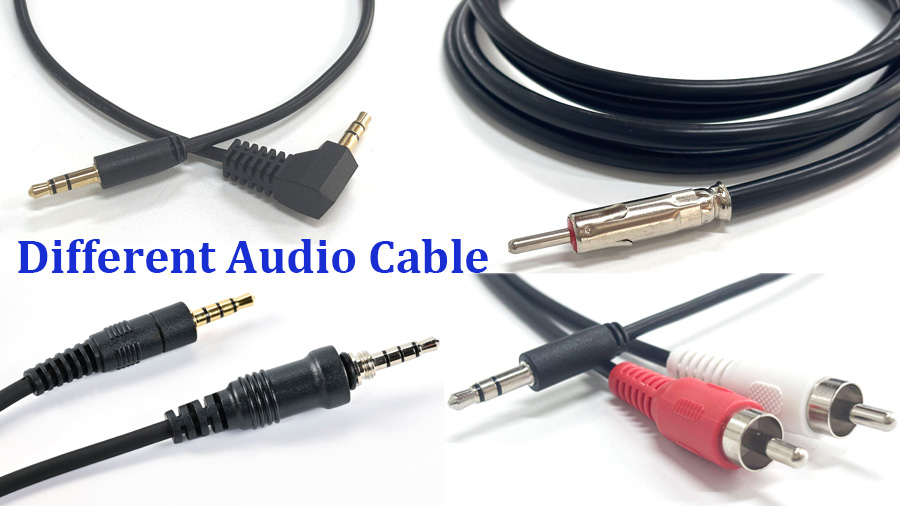
Beyond Conductor Material: Other Factors That Shape Sound Quality
Conductor material forms the foundation, but multiple additional factors also influence final audio performance:
- Wire gauge: Thicker conductors create lower electrical resistance and reduce signal loss over long cable runs. Avoid overly thin cables for long distance wiring.
- Insulation dielectric: Premium PE or foam-PE insulation reduces capacitance and high frequency signal loss. Low-grade PVC becomes brittle and ages quickly under heat.
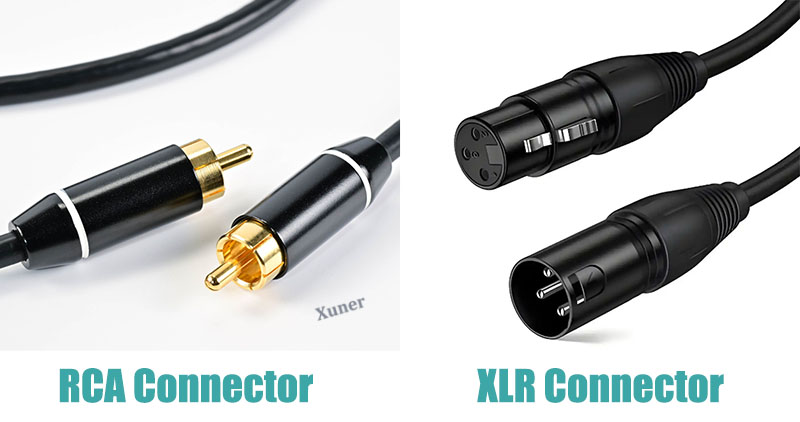
- Connector quality: Thick gold-plated connectors cut contact resistance and resist oxidation to minimize noise. Reinforced strain relief prevents breakage at cable connector joints from frequent bending.
- Shielding: Double-shield construction with aluminum foil plus braided mesh blocks electromagnetic interference from power supplies and lighting gear, eliminating annoying hum noise — especially critical for commercial installations.
Final Thoughts
For great-sounding audio, you do not have to chase overpriced high-end cables, but cheap no-name cables are risky. Start with pure-copper conductors; consider silver-plated variants if your budget permits. Always check wire gauge, insulation, connector plating and shielding alongside core material.
Your audio source, amplifier and speakers set the upper limit of system performance. Reliable audio cables unlock their full potential.
FAQ
Q1: Are silver-plated copper cables always better than pure copper cables?
A1: Silver-plated copper brings better high frequency detail but costs more. High quality pure copper cables fully satisfy most home and commercial projects without extra spending.
Q2: Why should copper-clad aluminum cables be avoided for audio?
A2: Mismatched thermal expansion between copper and aluminum leads to internal aging and fractures. Poor conductivity causes muffled audio and unwanted noise.
Q3: Is conductor material the only thing I need to check for audio cables?
A3: Conductor is the core factor. Wire gauge, dielectric insulation, gold-plated connectors and shielding also greatly affect sound output.
Can Long Gaming Cables Support 4K 144Hz ?What You Need to Know About Cable Length Limits