M12 Waterproof Cable IP Ratings Explained: IP65 vs IP66 vs IP67 vs IP68
Introduction
M12 Waterproof Cable IP Ratings Explained: IP65 vs IP66 vs IP67 vs IP68
Why IP Ratings Matter for Your M12 Installation?When you're specifying M12 waterproof cables and connectors for outdoor or industrial use, the IP rating is one of the most important numbers on the data sheet — and one of the most commonly misunderstood.
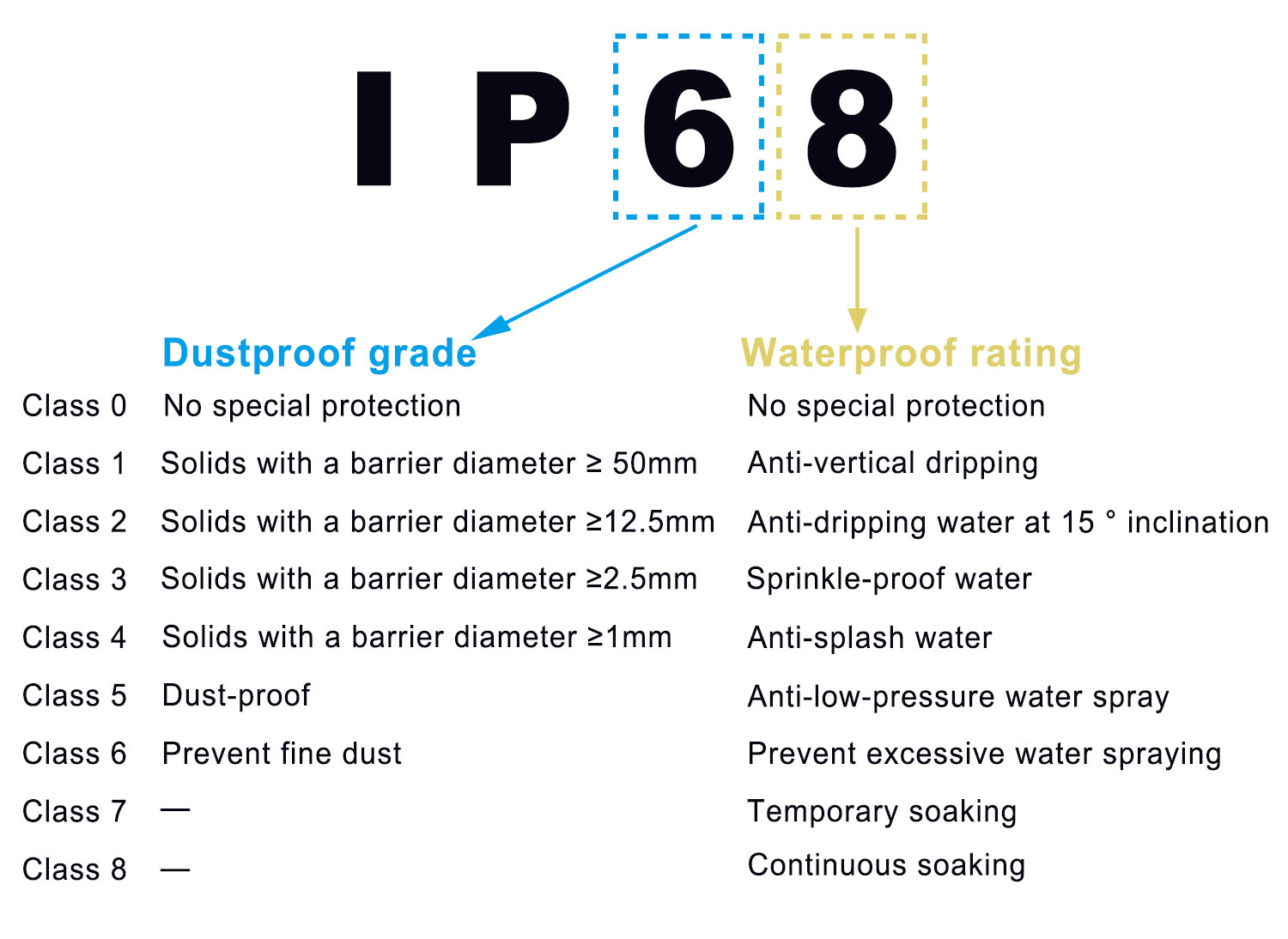
An IP (Ingress Protection) rating consists of two digits:
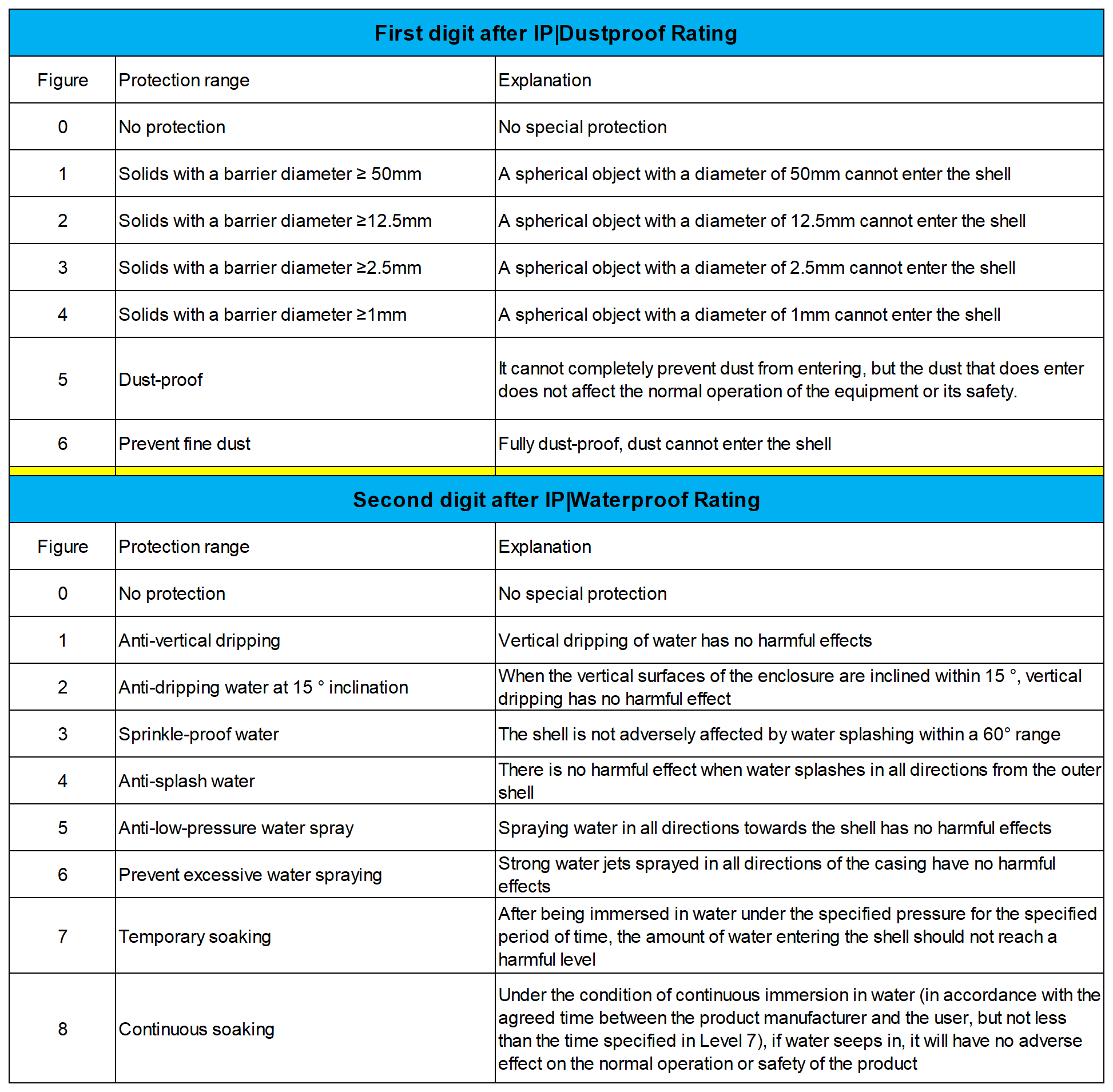
First digit — protection against solid particles (dust, dirt)
Second digit — protection against liquids (water, moisture)
For M12 cable assemblies, you'll most often see IP65, IP66, IP67, and IP68. All four share the same first digit — 6, meaning dust-tight — so the real difference comes down to the second digit: water resistance.
Picking the wrong rating can mean premature connector failure, signal dropouts, and unplanned downtime. Over-specifying, on the other hand, drives up costs with no real benefit. Here's how to tell them apart.
Dust Protection: All Four Are Equal (IP6X)
Every rating from IP65 through IP68 carries a 6 for dust protection — the highest level defined under IEC 60529. That means no harmful dust can penetrate the connector housing, even in heavily contaminated industrial environments.
If your main concern is dust, any of these four ratings will do. The decision comes down to water.
Water Resistance: Where the Four Ratings Diverge
IP65 — Light Rain & Splashes
IP65 connectors are protected against low-pressure water jets from any direction. They handle light rain, incidental splashes, and routine wash-downs with a gentle spray — but they are not designed for high-pressure water or submersion.
Best for: Sheltered outdoor locations, indoor wash-down areas with low-pressure spray, environments with occasional moisture exposure.
IP66 — High-Pressure Water Jets
IP66 adds protection against powerful water jets from any direction. This means the connector can withstand heavy rainstorms, pressure washing, and aggressive industrial cleaning without water ingress.
Best for: Construction sites, heavy machinery, outdoor equipment exposed to severe weather, areas requiring high-pressure cleaning.
IP67 — Temporary Submersion
IP67 connectors can survive temporary immersion in water up to 1 meter deep for up to 30 minutes. This protects against accidental flooding, equipment falling into water, and short-term submersion events — but it is not rated for continuous underwater operation.
Best for: Equipment at risk of accidental water immersion, flood-prone areas, outdoor sensor installations where temporary flooding is possible.
IP68 — Continuous Underwater Operation
IP68 is the highest water-resistance rating commonly found on M12 cables and connectors. It supports continuous, long-term submersion at depths specified by the manufacturer (typically 1 meter or more). The exact depth and duration are defined in the product data sheet.
Best for: Buried underground cabling, permanently submerged equipment, underwater sensors, marine and diving applications.
How to Choose the Right IP Rating
The golden rule: match the rating to your actual operating environment, not the highest available spec.
- Choose IP65 if your installation is sheltered and only exposed to light rain or occasional splashes.
- Choose IP66 if your equipment faces heavy weather, needs pressure washing, or sits on a dusty construction site.
- Choose IP67 if there's a realistic risk of temporary flooding or accidental immersion — but no permanent underwater operation.
- Choose IP68 only when the cable or connector will be continuously submerged or buried underground.
Over-specifying (e.g., using IP68 for a sheltered indoor application) adds unnecessary cost. Under-specifying (e.g., using IP65 in a permanently wet location) leads to early failure and expensive replacements.
Quick Comparison Table
| Rating | Dust Protection | Water Protection | Typical Use Case |
| IP65 | Dust-tight (6) | Low-pressure water jets | Sheltered outdoor, light rain |
| IP66 | Dust-tight (6) | High-pressure water jets | Construction sites, heavy rain, pressure washing |
| IP67 | Dust-tight (6) | Temporary submersion (1m, 30 min) | Flood risk, accidental immersion |
| IP68 | Dust-tight (6) | Continuous submersion (manufacturer-defined depth) | Buried cable, underwater equipment |
A Critical Note: IP Ratings Only Apply When Mated Correctly
Here's a detail that trips up even experienced installers: an IP rating is only valid when the connector is fully mated and tightened to the manufacturer's specified torque.
An unmated, open connector port offers zero waterproof protection — even if it's rated IP68. Always:
- Tighten threaded couplings to the specified torque (don't just hand-tighten)
- Install protective dust caps on any unused M12 ports
- Inspect O-rings and gaskets before mating — a damaged seal means no protection.
The Sealing Technology Behind the Rating
Achieving a given IP rating requires careful engineering. Manufacturers use a combination of:
- Rubber O-rings and gaskets at mating interfaces
- Potting or sealant at cable entry points
- Precision-machined connector housings with tight tolerances
- Over-molded strain relief to maintain the seal under mechanical stress
This sealing can affect heat dissipation and connector size,so it's always a trade-off — another reason to choose the rating you actually need, rather than the highest available.
Key Points for Choosing a Waterproofing Rating
- IP65, IP66, IP67, and IP68 all offer identical dust protection (level 6). The difference is water resistance.
- IP65 = light rain and splashes; IP66 = high-pressure jets; IP67 = temporary submersion; IP68 = continuous underwater operation.
- Match the rating to your environment. Don't over-spec for cost, don't under-spec for reliability.
- IP ratings only work when connectors are properly mated and unused ports are capped.
- Check the manufacturer's data sheet for IP68 — the exact submersion depth and duration are product-specific.
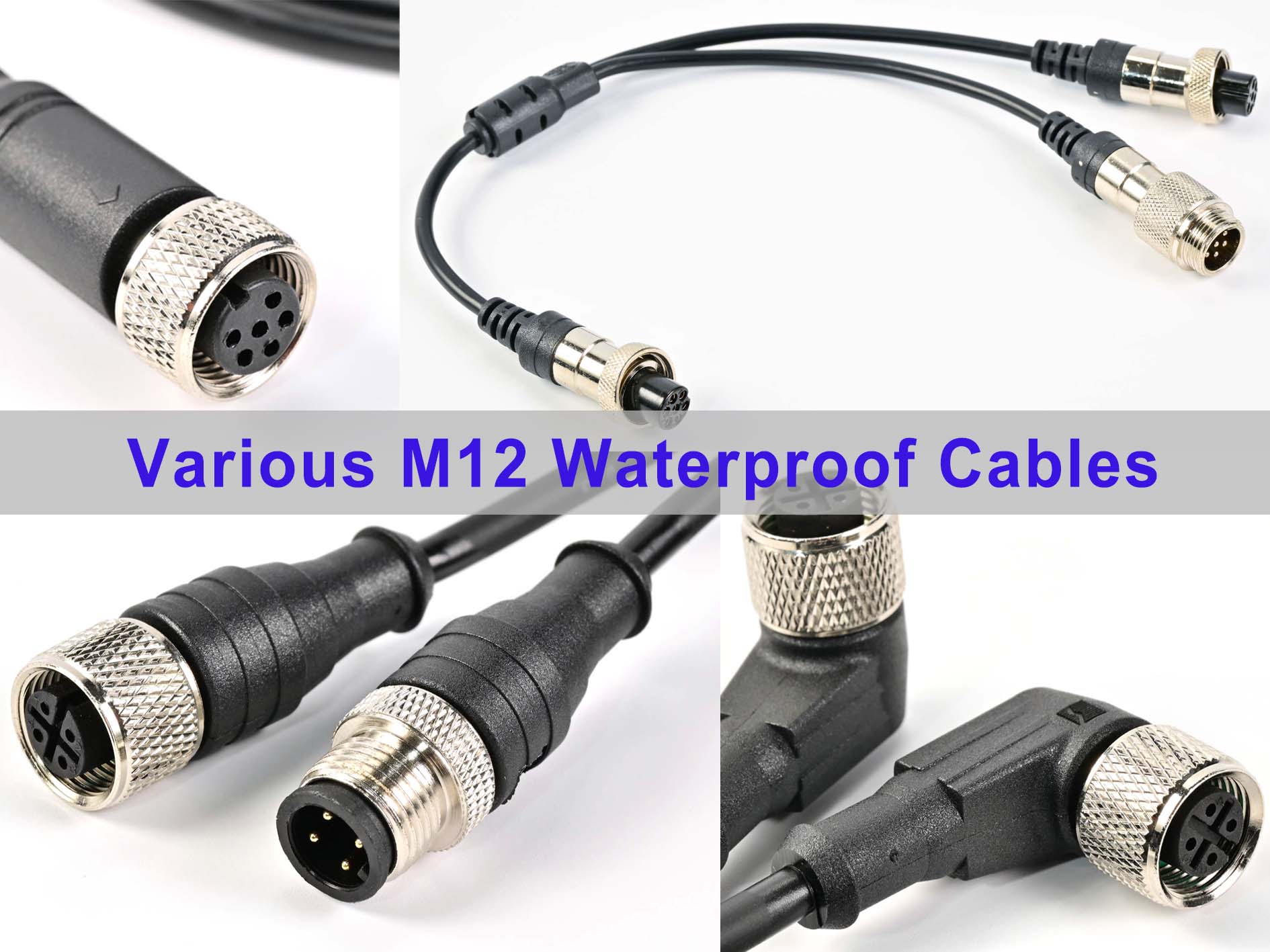
We specialize in the production of comprehensive M12 waterproof aviation cables. Please do not hesitate to contact us for your inquiries and product selections.
HDMI 2.1 vs Display Port 2.1: Which Cable Is Best for PC & Console Gaming?
How to Distinguished USB2.0,USB3.2,USB4.0 Rate and Purchase Guide
Related Article